
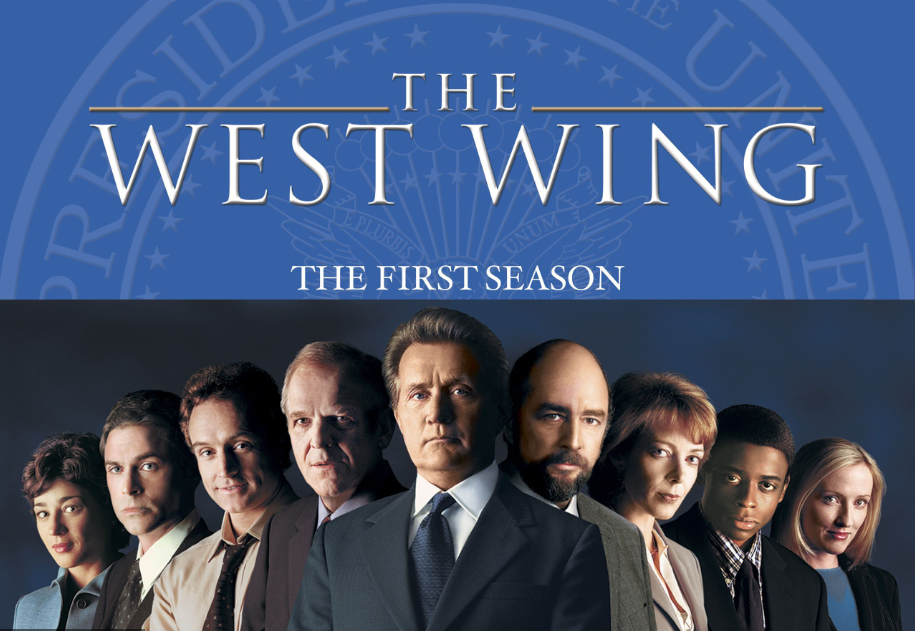
Anyone who’s ever watched ‘The West Wing’ knows it’s only fiction, but wishes it wasn’t. It’s a glowing picture of how government ought to work. But as the never-ending fallout from Peter Mandelson’s appointment as ambassador to the US shows, the reality is often closer to ‘The Thick Of It’ or ‘Yes Minister’ instead.
Behind all the finger-pointing and blame-gaming of this latest crisis, the unwelcome, underlying truth is that governments of all stripes haven’t been working very well for a while. Public sector productivity has been flatlining for years while the rest of the economy has improved, which means taxpayers are steadily paying more and more for less and less. Courts and prisons are struggling with mounting delays. The Transport Secretary’s car was wrecked by one of Britain’s plague of potholes. NHS dentists are rarer than hen’s teeth, with weekend GP appointments only slightly better, and it took weeks to get a single warship to the Gulf when British sovereign bases were under attack. With so many key public services getting progressively weaker and worse, no wonder people feel nothing works anymore.
Of course, it isn’t fair to heap all the blame for these long-term problems onto a nameless ‘blob’ of Civil Service officials. The Mandelson saga shows weak politicians have to shoulder their share of responsibility as well. Governments need talented leadership from both ministers and mandarins to work properly, so modernising one without touching the other won’t work.
What would that modernisation look like? It should start with genuinely rigorous performance appraisals for mandarins and ministers alike, based on their track records in previous roles, so good leaders and high performers are systematically identified and rewarded while weaker ones are developed or removed. Tough, meritocratic talent management is routine in well-run companies and charities, because they can’t survive long without it. But Whitehall almost never manages out poor-performing staff, and assessments get steadily flabbier as mandarins become more senior. Worse still, there’s no formal performance appraisal process for government ministers at all. Appointments and promotions are based on an ever-shifting balance of friendships, factional power and patronage instead of, you know, competence or leadership.
Next should come stronger accountability, so it is crystal clear whether our public services are being well led or not. That isn’t as difficult as it sounds, because we already do it for every school in the country. Ofsted produces a regular, clear, independent and public evaluation of how each one is doing, parents and politicians pay close attention to what they say, and quality has improved steadily for years as a result.
Applying the same treatment to quangos and public bodies, and to all the public grants, subsidies and procurement contracts that make up well over a third of all public spending, would be transformational. It would systematically pinpoint and eliminate waste, create an audit trail of evidence underpinning decisions to promote strong leaders and develop or remove weak ones. It would embed a permanent, pro-efficiency, pro-performance culture right in the heart of our government.
That shouldn’t be the end of it either. Those independent evaluations would replace today’s slow, expensive, complicated and intrusive box-ticking reports with a single cheaper, simpler and more powerful alternative instead. Plus, it would make it safe to give those newly-accountable leaders the same day-to-day management freedoms as their equivalents in businesses or charities, without referring everything for senior sign-off in advance, so they can make far quicker and more local decisions on how to deliver their service cheaper and faster.
As part of the same reform, we should axe the process-based judicial reviews of how government decisions are taken, which make the Civil Service so cautious and slow. Courts would still decide if a government or any other public body had exceeded its powers or not, but elected representatives would hold them to account on whether and how they delivered results. All other requirements for ministers, public bodies and officials to obey the law would remain unchanged.
Once all these initial changes are in place, they will need to be locked in so bad old habits can’t resurface later. That means modernising Civil Service talent and career pathways so all senior mandarins must have successfully led large operational organisations, as well as provided excellent policy advice. And appointing a new Chief Operating Officer (COO) for the Civil Service, reporting directly to the Cabinet Secretary, responsible for introducing and embedding these changes so performance improves over time.
Most fundamentally of all, these reforms would modernise and re-quip Britain’s long-established professional, impartial Civil Service to cope with the faster-paced, modern digital world, rather than switching to an American model of replacing mandarins with politically-appointed officials instead. If the Mandelson scandal has taught us nothing else, it shows ‘The West Wing’ is fiction and that political appointments can go badly wrong in real life.
If you like this idea, you’ll find more details, soundbites and rebuttals about it under Repairing The Rolls Royce in the Policy Thumbnail section of our website
This article is the latest in a fortnightly series of policy proposals by John Penrose and the Centre for Small State Conservatives, published in CapX
Leave a Reply